
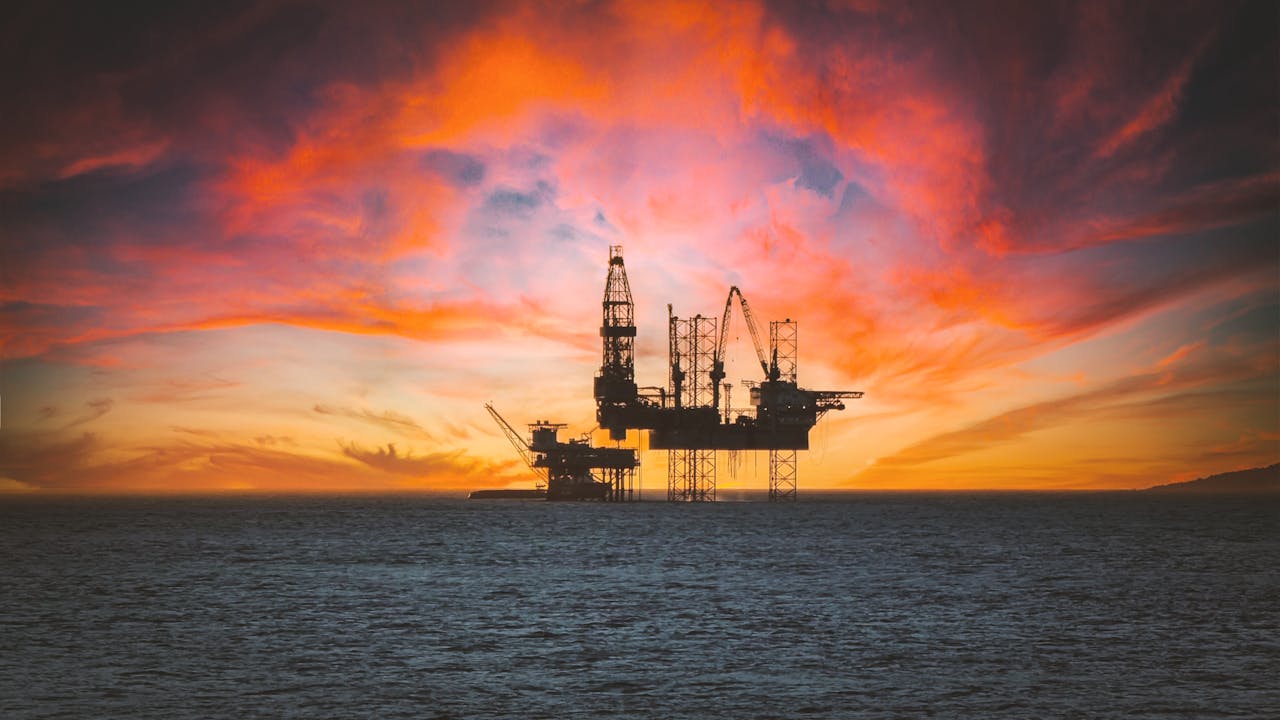
Overview of Deep Offshore Technology
Deep offshore technology refers to the advanced engineering systems, tools, and processes used to explore and produce energy resources located thousands of meters below sea level. These operations take place far beyond shallow and conventional offshore zones, where environmental conditions are extremely harsh and unpredictable.
Deep offshore exploration requires highly specialized technology because of intense water pressure, low temperatures, and complete absence of sunlight. Operating in such conditions demands innovation at the highest level of modern engineering.
What Makes Deep Offshore Technology Different
As offshore operations move into deeper waters, environmental challenges increase significantly. Equipment must operate under crushing pressure, near-freezing temperatures, and constant exposure to corrosive seawater. Human access is limited, so most tasks rely on remote and automated systems.
Deep offshore technology is not just about strength and durability. It combines precision engineering, real-time monitoring, and intelligent automation to ensure safety and efficiency in one of the most extreme environments on Earth.
Importance of Deep Offshore Innovation
Global energy demand continues to rise, and many shallow-water resources are already depleted. Deep offshore regions contain vast untapped reserves of oil and gas that can support long-term energy needs.
Without continuous technological innovation, accessing these deepwater resources would not be economically or technically viable. Advances in offshore technology enable safer operations, reduced environmental risks, and improved production efficiency.

Evolution of Offshore Exploration
From Shallow Waters to Ultra-Deep Seas
Early offshore exploration began in shallow waters, typically less than one hundred meters deep. Over time, advancements in engineering allowed operations to expand into deepwater and ultra-deepwater zones, exceeding depths of three thousand meters.
This evolution has transformed offshore exploration into a highly technical and data-driven industry.
Key Milestones in Offshore Engineering
Several innovations have shaped modern deep offshore operations:
-
Floating drilling rigs that operate independently of the seabed
-
Subsea control systems enabling remote well management
-
Reinforced riser technologies for deepwater stability
-
Floating Production Storage and Offloading units used for processing and transport
Each development has contributed to safer and more efficient offshore exploration.
Core Components of Deep Offshore Technology
Subsea Production Systems
Subsea production systems are installed directly on the seabed and allow oil and gas to be produced safely without surface platforms.
Subsea Trees
Subsea trees control the flow and pressure of oil and gas from the well. These systems act as precision control points and play a critical role in well safety.
Subsea Control Systems
Control systems allow operators to monitor and manage subsea equipment remotely, often from facilities located thousands of kilometers away.
Floating Production Systems
In deep waters where fixed platforms are not feasible, floating systems are used.
Floating Production Storage and Offloading Units
FPSOs process, store, and offload oil directly at sea, reducing the need for pipelines.
Semi-Submersible Platforms
These platforms remain partially submerged, providing stability in rough ocean conditions.
Drilling Equipment
Deep offshore drilling requires highly durable and reliable equipment.
Riser Systems
Risers connect surface facilities to subsea wells, acting as the primary conduit for drilling fluids and production flow.
Blowout Preventers
Blowout preventers are critical safety systems designed to stop uncontrolled releases of oil or gas.
Cutting-Edge Innovations in Deep Offshore Technology
Robotics and Autonomous Underwater Vehicles
Autonomous underwater vehicles inspect pipelines, map the seabed, and perform maintenance tasks without direct human involvement.
Digital Twin Technology
Digital twins create virtual models of offshore assets, allowing engineers to simulate operations, predict failures, and improve safety planning.
Artificial Intelligence and Remote Monitoring
AI systems analyze real-time data to optimize performance, detect anomalies, and support decision-making from onshore control centers.
Challenges in Deep Offshore Operations
Extreme Environmental Conditions
Equipment must withstand enormous pressure and low temperatures, which can affect materials and fluid flow.
Environmental Risks
Even minor failures can lead to serious environmental damage, making safety systems essential.
High Operational Costs
Deep offshore projects require significant investment due to advanced equipment, logistics, and long development cycles.
Benefits and Global Impact
Energy Security
Deep offshore resources help countries meet energy needs and reduce dependence on imports.
Economic Contribution
Offshore projects create employment opportunities and support local and global economies.
Technological Advancement
Innovations developed for deep offshore use often benefit other industries such as robotics, data analytics, and automation.
Environmental Considerations
Sustainable Offshore Practices
New technologies aim to minimize environmental impact through cleaner drilling methods and efficient vessel operations.
Reducing Carbon Emissions
Companies are investing in electrification, carbon capture, and integration of renewable energy into offshore operations.
Future of Deep Offshore Technology
Integration of Renewable Energy
Offshore wind, wave, and hybrid energy systems are increasingly being developed alongside traditional offshore infrastructure.
Increased Automation
Automation, smart sensors, and AI-driven systems will continue to reduce human risk and improve operational efficiency.
Conclusion
Deep offshore technology represents one of the most advanced areas of modern engineering. It enables energy production in extreme environments while prioritizing safety, efficiency, and sustainability. As global energy needs evolve, deep offshore technology will continue to adapt through innovation, automation, and responsible environmental practices.
Frequently Asked Questions
What is deep offshore technology
It refers to advanced systems used to explore and produce energy resources in deep ocean environments.
Why is deep offshore exploration important
It provides access to large untapped energy reserves and supports long-term energy security.
What challenges do deep offshore operations face
Extreme pressure, low temperatures, environmental risks, and high costs.
How is AI used in deep offshore technology
AI supports remote monitoring, predictive maintenance, and operational optimization.
What is the future of deep offshore technology
Greater automation, cleaner energy integration, and improved environmental performance.
-
What is the future of deep offshore tech?
More automation, cleaner operations, and integration with renewable energy sources. if You have any Question Visit About Us!
If You want Any Thing About Privacy Policy
[…] Singapore is one of the best places for technology lovers. Whether you want cheap tech gadgets Singapore markets offer, or high-end premium devices, you can find everything easily. Just compare prices, check warranty, and choose a trusted seller. With the right choice, any gadget can make your life smarter and more fun. If you want to Read More About Technology & much More […]